
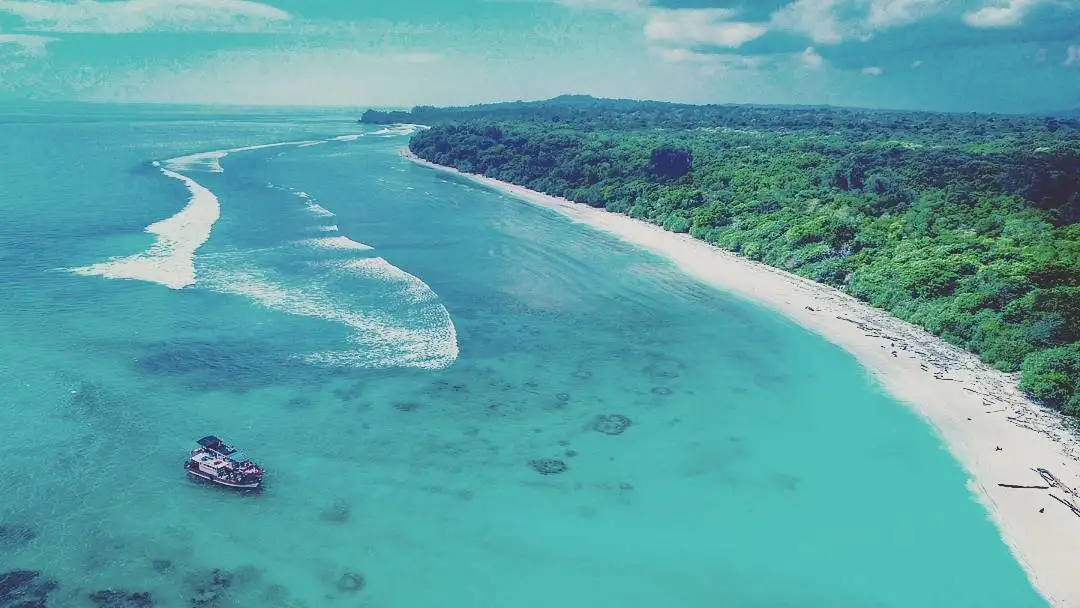
Panaitan Island, located within the UNESCO World Heritage–listed Ujung Kulon National Park in Banten Province, Indonesia, is one of the region’s most breathtaking yet lesser-known destinations. Often overshadowed by its more famous neighbor, Peucang Island, Panaitan offers a rugged charm that appeals to adventurers, surfers, divers, and history enthusiasts alike.
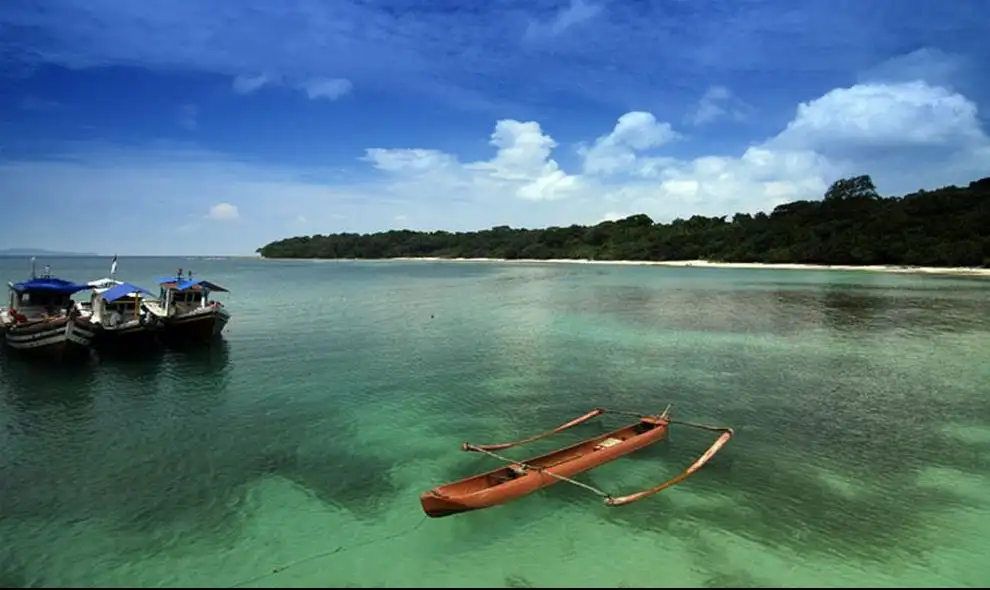
With pristine rainforests, world-class surf breaks, coral-rich waters, and fascinating archaeological relics, Panaitan Island embodies the raw beauty and cultural depth that make Ujung Kulon National Park a global treasure.
In this article, we explore the geography, biodiversity, history, and tourism potential of Panaitan Island, while also emphasizing its role in conservation and sustainable ecotourism.
Geographic Location and Accessibility
Panaitan Island is situated on the northwestern edge of Ujung Kulon National Park, just across from the Sunda Strait. Covering approximately 170 square kilometers, it is the largest offshore island within the park. Read: Wikipedia
Unlike the easily accessible Peucang Island, reaching Panaitan requires careful planning. Most visitors depart from Labuan, Sumur, or Tamanjaya Village, followed by a boat trip that takes several hours, depending on weather and sea conditions.
Its remote location and challenging access make Panaitan Island less crowded, preserving its untouched character and offering visitors a true escape from mass tourism.
Rainforests and Landscapes
The island is cloaked in dense tropical rainforest that shelters a wide range of plant species, from towering hardwood trees to bamboo groves and mangrove-fringed shores. Hiking through the island reveals waterfalls, rivers, and hidden valleys that create a rich ecological mosaic.
Marine Environment
Surrounding Panaitan are some of the park’s most pristine coral reefs, making it an excellent spot for snorkeling and diving. The reefs are teeming with marine life, including reef sharks, barracudas, parrotfish, sea turtles, and manta rays. The clarity of the water allows divers to witness the vibrant underwater world with exceptional visibility.
Wildlife of Panaitan Island
While the island does not host the famous Javan rhinoceros—restricted to the Ujung Kulon Peninsula—it remains rich in biodiversity:
- Primates: Long-tailed macaques and Javan lutungs roam the forest canopy.
- Deer and wild boars: Often spotted grazing along the forest edges.
- Reptiles: Monitor lizards bask on the shores, while pythons and other snakes inhabit the dense forest.
- Birdlife: Hornbills, sea eagles, and kingfishers are commonly seen, making the island a paradise for birdwatchers.
The combination of land and marine wildlife ensures that Panaitan Island offers a holistic ecological experience.
Surfing Paradise: Panaitan’s Legendary Waves
For surfers, Panaitan Island is a dream destination. The island boasts some of the most powerful and perfect waves in Indonesia, rivaling world-class spots like Bali and Mentawai.
- One Palm Point: Famous for its incredibly long left-hand barrel, considered one of the longest waves in the world.
- Napoleon’s Right: A fast, hollow wave offering thrilling rides for advanced surfers.
- Illusions and Apocalypse: Known for heavy, challenging conditions that attract expert surfers seeking adrenaline.
Because of its isolation, surfing in Panaitan requires boat charters and experienced guides. The remoteness ensures uncrowded waves, making it a bucket-list destination for serious surfers.
Diving and Snorkeling
Panaitan is equally attractive for divers. With its coral reefs in excellent condition, diving spots around the island provide encounters with pelagic species and vibrant reef ecosystems. Common sightings include reef sharks, giant trevallies, and sea turtles. Snorkeling in shallow lagoons allows even beginners to enjoy colorful coral gardens and schools of tropical fish.
Cultural and Historical Significance
Beyond its natural beauty, Panaitan Island holds deep historical and cultural value. Archaeological findings suggest the island was once a site of Hindu worship, dating back to the 1st millennium AD. The most notable relic is the Ganesha statue, a stone carving of the Hindu deity located within the forest. This ancient artifact indicates that Panaitan served as a spiritual sanctuary during Java’s Hindu-Buddhist era.
The island also played a role in maritime history. Its strategic location near the Sunda Strait meant that sailors and traders frequently passed its shores. Oral histories from local communities still regard Panaitan as a sacred place, reinforcing its cultural importance.
Tourism Activities on Panaitan Island
Tourism on Panaitan Island remains limited but highly rewarding for those who make the journey. Activities include:
- Surfing Expeditions – Reserved for experienced surfers seeking world-class waves.
- Diving and Snorkeling – Exploring coral reefs and marine biodiversity.
- Jungle Trekking – Discovering hidden waterfalls, wildlife, and ancient statues.
- Camping – For adventurous visitors, camping under the stars offers a unique wilderness experience.
- Cultural Exploration – Visiting the Ganesha statue and learning about the island’s Hindu-Buddhist heritage.
Tourism here follows a strict eco-friendly approach to minimize environmental impact.
Conservation Importance
As part of Ujung Kulon National Park, Panaitan Island is under strict protection. Conservation efforts aim to safeguard both its terrestrial forests and surrounding marine habitats. Key initiatives include:
- Marine patrols to prevent illegal fishing and destructive practices.
- Habitat preservation for wildlife and coral ecosystems.
- Regulated tourism to ensure activities remain sustainable and low-impact.
- Research and monitoring, particularly of marine biodiversity and forest health.
Panaitan Island also acts as a buffer zone, supporting the broader ecological integrity of Ujung Kulon National Park.
Challenges and Threats
Despite its protected status, Panaitan faces several challenges:
- Climate change, which threatens coral reefs through bleaching.
- Illegal fishing, though reduced, still poses risks to marine life.
- Tourism pressure, if not carefully managed, could disrupt the fragile balance between conservation and recreation.
- Limited infrastructure, which complicates monitoring and rapid response to threats.
Ongoing collaboration between park authorities, conservation organizations, and local communities is vital to overcoming these challenges.
Why Visit Panaitan Island?
For those seeking an authentic, off-the-beaten-path adventure, Panaitan Island is unmatched. It combines world-class surfing, rich biodiversity, cultural heritage, and conservation values in one destination. Unlike mainstream tourist hubs, Panaitan rewards travelers with solitude, unspoiled nature, and a chance to reconnect with the wild.
Whether you are a surfer chasing legendary waves, a diver exploring underwater wonders, or a traveler curious about history and culture, Panaitan Island offers experiences that are both thrilling and deeply meaningful.
Conclusion
Panaitan Island stands as the untamed jewel of Ujung Kulon National Park—a destination where adventure meets conservation, and history blends with nature. Its untouched forests, coral-rich waters, ancient relics, and world-famous surf breaks make it one of Indonesia’s most unique eco-tourism attractions.
Visiting Panaitan is not just about exploration; it is about contributing to the preservation of a globally significant ecosystem. By choosing responsible and eco-friendly tourism, travelers can help ensure that Panaitan Island continues to thrive as a sanctuary for wildlife, culture, and natural beauty.
For those ready to embrace the wild side of Indonesia, Panaitan Island promises an unforgettable journey into the heart of Ujung Kulon.