
Peucang Island is more than just an island getaway; it is a living classroom of ecology and conservation. Nestled within Ujung Kulon National Park, it embodies the delicate balance between biodiversity, tourism, and preservation. From its gentle deer and playful monkeys to its thriving coral reefs and quiet beaches, Peucang offers visitors a chance to reconnect with nature in its purest form.
As the world grapples with environmental degradation, Peucang stands as a reminder of what can be achieved when ecosystems are protected and celebrated. Whether one comes for adventure, relaxation, or education, Peucang Island promises an unforgettable journey into the heart of Indonesia’s natural heritage.
Peucang Island: The Hidden Paradise of Ujung Kulon National Park
Tucked away in the tranquil embrace of Ujung Kulon National Park in Banten Province, Indonesia, lies Peucang Island, a pristine tropical paradise where turquoise waters meet lush forests and wildlife roams freely.
This small island, often described as the crown jewel of the park, is more than just a tourist destination, it is a living showcase of harmony between land, sea, and biodiversity. With its white sandy beaches, crystal-clear waters, and thriving ecosystem, Peucang Island has earned its place as one of the most unique and ecologically important sites in Southeast Asia.
Geographic Location and Access
Peucang Island is located off the northwestern coast of the Ujung Kulon Peninsula. To reach it, travelers typically start from Jakarta or Serang and head to the coastal villages of Sumur or Tamanjaya, which serve as gateways to the park.
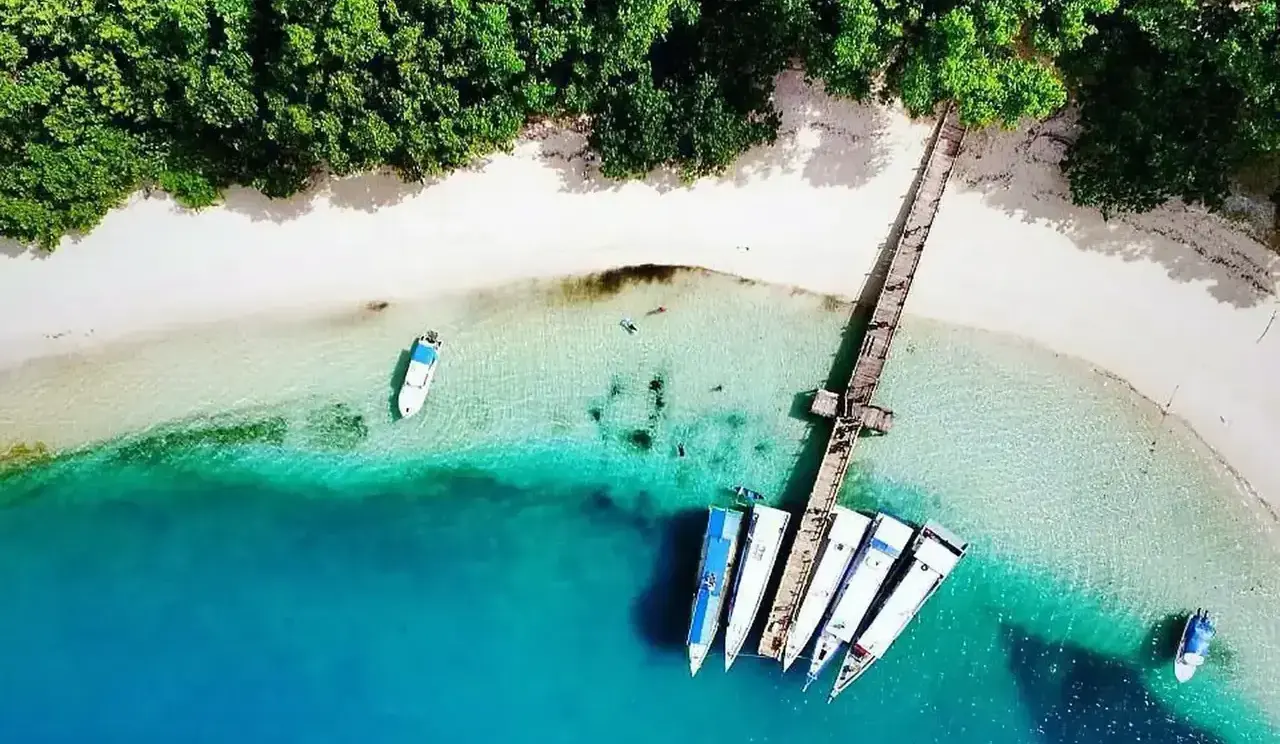
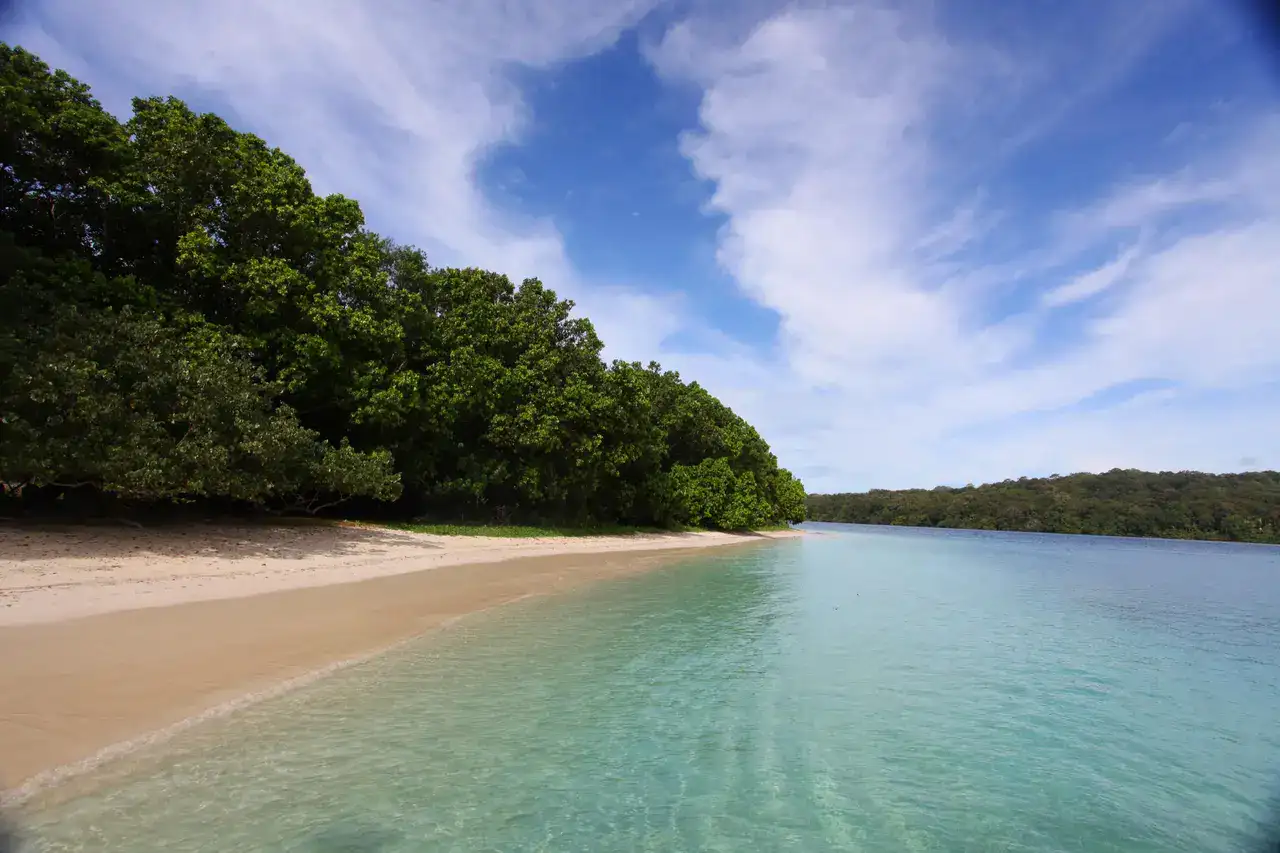
From there, a boat ride lasting about two to three hours transports visitors across calm seas and coral-fringed waters to the island’s shores. The moment the boat approaches the island, the scenery transforms into a postcard-perfect view: pristine beaches lined with pandanus trees, the sound of waves breaking gently on the shore, and dense forest rising behind the coast.
The island itself is relatively small, spanning only a few square kilometers, but its ecological richness and strategic position within the park make it a focal point for both visitors and conservationists.
Natural Beauty and Landscape
Peucang Island’s most striking feature is its beachscape. Unlike many of Java’s rugged coasts, the island’s beaches are composed of fine, powdery white sand that sparkles in the sun. The shallow coastal waters are calm and transparent, making them ideal for swimming, snorkeling, and observing marine life. Beneath the surface, coral reefs thrive, sheltering schools of reef fish, sea cucumbers, and starfish.
Moving inland, the island’s forest is a mix of lowland tropical rainforest and coastal vegetation. Giant fig trees, palms, and hardwood species dominate the canopy, while the forest floor is dotted with ferns and wildflowers. The vegetation provides both food and shelter for a variety of animals that inhabit the island.
Wildlife on Peucang Island
One of the most enchanting aspects of Peucang Island is its resident wildlife, which coexists with visitors in surprising proximity. Unlike in many parts of Java, where forests have dwindled and wildlife is scarce, Peucang remains a refuge where animals thrive.
- Deer (Rusa timorensis): Large herds of deer often graze openly on the island’s grasslands or wander near the beach. They are so accustomed to human presence that visitors may find them resting near lodges or ranger stations.
- Wild boars: These foragers roam the forest and occasionally venture close to the coast.
- Long-tailed macaques and leaf monkeys: Groups of primates swing through the trees, sometimes approaching visitors out of curiosity.
- Monitor lizards: The island is home to sizable monitor lizards, often seen basking in the sun or foraging along the shore.
- Birds: The island is a birdwatcher’s delight, with hornbills, kingfishers, herons, and eagles frequently spotted.
What makes Peucang unique is the gentle coexistence between wildlife and humans. Animals here show little fear of people, offering visitors rare opportunities to observe them up close in their natural habitat.
Marine Ecosystems
Beyond its terrestrial wonders, Peucang Island boasts extraordinary marine biodiversity. Snorkeling just a few meters from the shore reveals a world of corals teeming with life. Hard and soft corals form intricate structures that house clownfish, butterflyfish, and parrotfish. Sea turtles occasionally glide through the water, while rays and small reef sharks patrol the deeper reefs.
The island’s marine environment is part of Ujung Kulon’s broader conservation efforts, ensuring that coral bleaching, destructive fishing, and pollution are minimized. For visitors, this means the chance to experience an underwater landscape that remains vibrant and relatively undisturbed.
Cultural and Historical Significance
While Peucang Island itself has no permanent human settlements, it is closely tied to the history of Ujung Kulon. Following the devastating Krakatoa eruption in 1883, much of the surrounding region was abandoned, leaving Peucang and its neighboring areas untouched by large-scale human activity for decades. This absence of permanent settlements allowed ecosystems to recover naturally, turning the island into a biological sanctuary.
In recent decades, Peucang has become an entry point for eco-tourism within Ujung Kulon National Park. Simple accommodations, such as lodges and ranger stations, were built to host visitors and researchers. These facilities are modest, reflecting a philosophy of low-impact tourism that prioritizes nature over luxury.
Activities for Visitors
Peucang Island offers a range of activities for eco-conscious travelers and adventure seekers alike:
- Snorkeling and Diving – The island’s reefs are ideal for exploring underwater biodiversity. Calm waters ensure that even beginners can enjoy snorkeling safely.
- Wildlife Watching – The abundance of deer, monkeys, and birds makes every walk through the island an adventure.
- Forest Trekking – Trails cut through the rainforest, allowing visitors to experience its rich plant life and the sounds of tropical birds.
- Beach Relaxation – With its serene atmosphere, Peucang’s beaches are perfect for quiet reflection or swimming.
- Island Hopping – From Peucang, visitors can easily travel to nearby attractions such as Panaitan Island, Handeuleum Island, or the iconic Karang Copong rock formation.
Every activity is guided by park rangers or local eco-guides, ensuring both visitor safety and environmental protection.
Conservation Role
Peucang Island plays a crucial role in the conservation strategy of Ujung Kulon National Park. Its position makes it a hub for monitoring and managing the park’s marine and terrestrial zones. The island hosts ranger stations where staff coordinate patrols against illegal logging, poaching, and destructive fishing.
Moreover, the island’s lodges support eco-tourism, generating revenue that flows back into conservation programs. Visitors contribute directly to the park’s sustainability by paying entrance fees, hiring guides, and supporting local communities that provide supplies and services.
Challenges and Threats
Despite its beauty and protection, Peucang Island faces challenges. Climate change poses a threat to coral reefs through bleaching events and rising sea temperatures. Human impact, while relatively low, must be carefully managed to prevent over-tourism and waste problems. Additionally, invasive species such as the fast-spreading Arenga palm on the mainland indirectly affect the ecological balance of the park.
Continuous conservation and careful tourism management are essential to preserve Peucang as a model of sustainable natural heritage.
Visitor Experience and Impressions
Those who have set foot on Peucang Island often describe it as a place where time slows down. The absence of urban noise, the closeness of wildlife, and the raw beauty of nature create a sense of tranquility rarely found elsewhere.
At night, the sky opens into a panorama of stars, unspoiled by city lights. The rhythmic crashing of waves and calls of nocturnal animals serve as a reminder that Peucang is, above all, a sanctuary for life.
For many, a trip to Peucang is not just a holiday but a transformative experience. It allows travelers to witness what much of Java once looked like before modernization—wild, untouched, and breathtakingly beautiful.